

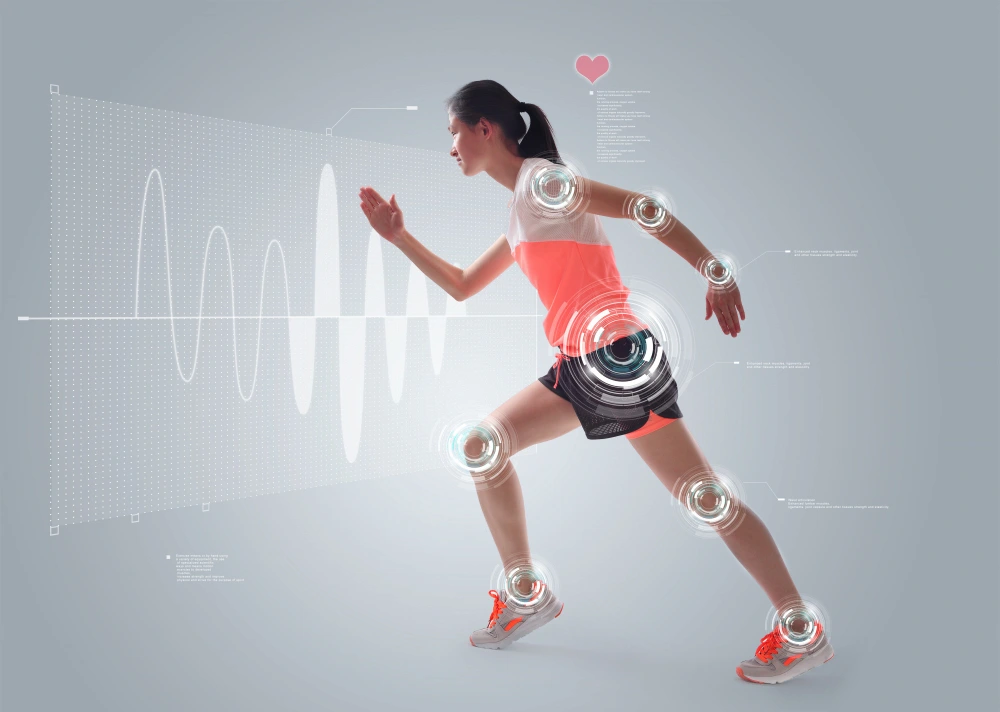
Biomechanical assessment in Indian Trail uses state-of-the-art technology to identify movement dysfunctions, muscle imbalances, and postural issues causing pain and limiting performance. At Indian Trail Chiropractic & Rehab, Dr. Gentile uses Kinetisense 3D movement screening and functional testing to objectively measure how your body moves, pinpoint the root cause of your problems, and track your progress as treatment corrects these dysfunctions.
What Is Biomechanical Assessment?
Biomechanics is the study of how your body moves. A biomechanical assessment evaluates the quality of that movement, identifying dysfunctions, asymmetries, and compensations that lead to pain and injury.
Most healthcare providers focus on where it hurts. Biomechanical assessment focuses on why it hurts. The painful area is often a victim of dysfunction elsewhere in the body.
Understanding your specific movement dysfunctions allows us to create treatment plans that address root causes rather than just chasing symptoms.
Why Biomechanical Assessment Matters
You can’t fix what you can’t measure. Subjective evaluations miss subtle dysfunctions that significantly impact your health and performance.
Objective biomechanical data provides several crucial advantages. It identifies problems you can’t feel yet before they cause pain. It shows exactly which structures need attention. It tracks progress objectively over time. It prevents injuries by revealing risk factors.
The Problem with Symptom-Based Care
Traditional healthcare often focuses on treating symptoms without addressing underlying mechanical problems. You get medication for pain or physical therapy for the area that hurts.
This approach provides temporary relief but doesn’t fix the movement dysfunctions causing the problem. This is why so many people experience recurring pain despite multiple rounds of treatment.
Our Biomechanical Assessment Technology
At Indian Trail Chiropractic, we use advanced technology to evaluate movement quality comprehensively.
Kinetisense 3D Movement Screening
Kinetisense 3D technology captures your movement patterns without any wearable sensors or markers. You simply perform specific movements while the system analyzes your biomechanics in real time.
The system provides objective measurements of posture, symmetry, range of motion, and movement quality. This data reveals dysfunctions that aren’t visible to the naked eye.
Functional Movement Testing
Functional performance testing evaluates how you perform fundamental movement patterns like squatting, lunging, and reaching.
These tests identify mobility restrictions, stability issues, and compensation patterns that increase injury risk.
Gait Analysis
Gait analysis evaluates how you walk and run. Your gait pattern affects everything from your feet through your spine.
We identify issues like overpronation, asymmetrical stride, and other mechanical problems contributing to pain throughout your body.
What Biomechanical Assessment Reveals
Comprehensive assessment uncovers the hidden dysfunctions affecting your movement and causing your pain.
Postural Deviations
We measure forward head posture, shoulder asymmetry, pelvic tilts, and spinal alignment. These postural issues create chronic stress on joints and muscles.
Seeing objective measurements often motivates patients to take postural correction seriously.
Movement Asymmetries
Most people have some asymmetry. Significant differences between left and right sides increase injury risk and indicate compensation patterns.
We identify these asymmetries and address the underlying causes.
Range of Motion Restrictions
Limited mobility in specific joints affects entire movement chains. Restricted ankle mobility contributes to knee pain. Limited hip rotation affects lower back function.
We measure these restrictions objectively and track improvements as treatment progresses.
Muscle Activation Patterns
Certain muscles should activate in specific sequences during movement. When activation patterns are disrupted, compensations develop.
We identify these faulty patterns and retrain proper muscle recruitment through targeted exercise.
Stability and Balance
Poor stability increases injury risk and limits performance. We assess static and dynamic balance to identify deficits requiring attention.
Who Benefits from Biomechanical Assessment?
While everyone’s movement can be improved, certain groups benefit particularly from comprehensive assessment.
People with Chronic Pain
If you’ve dealt with recurring pain despite trying various treatments, biomechanical assessment often reveals the missing piece. The dysfunction causing your pain might be far from where it hurts.
Athletes Wanting to Optimize Performance
Even pain-free athletes benefit from identifying and correcting movement dysfunctions. Better movement equals better performance and reduced injury risk.
Injury-Prone Individuals
If you keep injuring the same area or seem prone to various injuries, movement dysfunctions are likely contributing. Assessment identifies and addresses these risk factors.
Post-Injury Recovery
After recovering from injury, biomechanical assessment ensures you’ve truly restored normal function, not just eliminated pain.
Pre-Season Athletes
Pre-season screening identifies injury risk factors before your season starts. Addressing these proactively prevents injuries that would otherwise sideline you.
How Assessment Guides Treatment
Biomechanical findings directly guide our treatment approach. The data tells us exactly which joints need adjusting, which muscles need releasing, and which movement patterns need retraining.
Targeted Chiropractic Adjustments
We adjust the specific joints showing restricted mobility. Corrective chiropractic care becomes more effective when guided by objective assessment.
Specific Soft Tissue Work
Assessment identifies which muscles are tight and overactive. Active Release Technique and Graston Technique target these specific restrictions.
Customized Exercise Programs
Your corrective exercise program addresses your specific weaknesses and dysfunctions. No generic protocols, just targeted exercises for your needs.
Progress Tracking
We reassess regularly to track improvements objectively. Seeing measurable progress motivates continued effort and allows us to adjust treatment as you improve.
The Assessment Process
Comprehensive biomechanical assessment takes 30 to 45 minutes. Here’s what to expect.
Movement Screening
You’ll perform specific movements while Kinetisense captures your biomechanics. This is non-invasive and requires no special preparation.
Functional Testing
I guide you through fundamental movement patterns, observing quality and identifying restrictions or compensations.
Strength and Mobility Evaluation
Specific tests assess strength in key muscle groups and mobility in important joints.
Gait Analysis (When Relevant)
For runners or people with lower extremity issues, we analyze walking and running mechanics.
Results Review
We review findings together, showing you exactly what the assessment revealed. Visual data makes understanding your dysfunctions easier.
Using Assessment for Injury Prevention
Biomechanical assessment is powerful for preventing injuries before they occur. Risk factors like asymmetries, mobility restrictions, and faulty movement patterns predict future injuries.
Addressing these proactively keeps you healthy and performing at your best.
Pre-Season Screening
Athletes benefit from pre-season assessments identifying injury risks. Correcting these before competition starts prevents season-ending injuries.
Annual Checkups
Even if you’re pain-free, annual movement assessments catch developing problems early when they’re easiest to fix.
Biomechanics and Performance Optimization
Optimal movement isn’t just about avoiding injury. It’s about performing at your highest level.
Athletes who improve movement quality consistently see performance gains. Efficiency increases. Power output improves. Endurance extends. All from moving better.
Our sports performance optimization program uses biomechanical assessment to identify and correct movement inefficiencies limiting your potential.
Why Choose Indian Trail Chiropractic for Biomechanical Assessment
Biomechanical assessment requires understanding not just what the technology shows but what it means and how to fix it. My background in sports performance and biomechanics gives me unique insight into movement dysfunction.
As a Certified Strength and Conditioning Specialist with over 20 years working with athletes at all levels, I understand optimal movement and how to achieve it.
We don’t just show you pretty graphs. We translate assessment findings into actionable treatment plans that produce real results.
Discover Your Movement Dysfunctions
If chronic pain, recurring injuries, or performance plateaus are frustrating you, biomechanical assessment might reveal the missing piece. At Indian Trail Chiropractic & Rehab, we help patients and athletes throughout Union County optimize their movement and achieve their goals.
Ready to see exactly how your body moves? Call us at (704) 821-3222 or schedule your appointment online today.