
Active Release Technique (ART) is a hands-on soft tissue therapy that treats muscle adhesions, scar tissue, and fascial restrictions causing pain and limiting movement. At Indian Trail Chiropractic & Rehab, Dr. Gentile is one of the few practitioners in the region with full-body ART certification, using this specialized technique to treat everything from chronic shoulder pain to sports injuries that haven’t responded to other treatments.
What Is Active Release Technique?
Active Release Technique isn’t massage. It’s a precise, movement-based therapy designed to break up adhesions in muscles, tendons, ligaments, fascia, and nerves.
When soft tissues get injured or overused, they often develop scar tissue and adhesions. These adhesions bind tissues together that should move independently, restricting range of motion and causing pain. ART uses specific hand positions and patient movements to isolate and release these restrictions.
Think of it like this: if your muscles and fascia are supposed to glide smoothly over each other, adhesions are like glue holding them in place. ART unsticks them.
How ART Works
During an ART session, I locate areas of tissue tension, adhesions, or restricted movement through manual palpation. Once identified, I apply precise tension to the affected tissue while you move the body part through a specific range of motion.
This combination of manual pressure and movement breaks up adhesions and restores normal tissue texture and function. The technique requires extensive training to perform correctly, which is why full-body certification matters.
Why Movement Matters
Static pressure alone won’t release deep adhesions. The movement component is what makes ART so effective. As you actively move the muscle or joint, the practitioner maintains contact and tension, essentially “ironing out” the scar tissue as the muscle lengthens and contracts.
You might feel discomfort during treatment, especially in areas with significant adhesions. Most patients describe it as a “good hurt” that provides immediate relief once the tissue releases.
Conditions ART Treats
In my experience treating athletes and active patients throughout Indian Trail and the greater Charlotte area, ART has proven effective for a wide range of conditions.
Overuse and Repetitive Strain Injuries
Tennis elbow, golfer’s elbow, and other overuse injuries respond exceptionally well to ART. These conditions develop when repetitive movements create micro-trauma in the tendons and surrounding tissues. Over time, scar tissue accumulates and restricts movement.
We often combine ART with shockwave therapy for stubborn tendon injuries. The combination addresses both the tissue restrictions and stimulates healing at a cellular level.
Sports Injuries
Muscle strains, IT band syndrome, hamstring injuries, and rotator cuff problems all benefit from ART. Athletes appreciate how quickly they can return to training when we address the soft tissue component of their injury.
I’ve worked with athletes from middle school through professional levels, and ART is one of the most reliable tools in my treatment arsenal. It doesn’t just reduce pain. It restores the tissue quality needed for optimal performance.
Chronic Pain Conditions
Many people dealing with chronic shoulder pain, hip pain, or neck tension have tried physical therapy, massage, and chiropractic adjustments without lasting relief. Often, the missing piece is addressing the deep fascial restrictions that keep pulling the body back into dysfunction.
ART targets those deeper layers that other techniques can’t reach effectively.
Nerve Entrapment Syndromes
Conditions like carpal tunnel syndrome, thoracic outlet syndrome, and sciatica can result from soft tissues compressing nerves. ART releases the tissues creating that compression, often providing significant relief without surgery.
When combined with chiropractic adjustments that restore proper joint alignment, we can address both the nerve compression and the biomechanical issues contributing to it.
Post-Surgical Scar Tissue
Surgery creates scar tissue. Sometimes that scar tissue restricts movement and causes pain long after the surgical site has healed. ART can break down problematic scar tissue and restore normal tissue mobility.
ART vs. Other Soft Tissue Techniques
You might be wondering how ART differs from massage, Graston Technique, or standard stretching.
ART vs. Massage Therapy
Massage therapy focuses on relaxation and general muscle tension. It’s excellent for stress relief and promoting circulation. ART, on the other hand, is a clinical treatment targeting specific adhesions and movement restrictions.
Massage therapists work on tissue in a resting position. ART requires active movement from the patient and precise manual tension from the practitioner simultaneously.
ART vs. Graston Technique
Both are effective soft tissue techniques we use at Indian Trail Chiropractic. Graston uses instruments to break up scar tissue, while ART relies entirely on hands-on contact and movement.
I often use both in the same treatment session. Graston is excellent for broader areas of fascial restriction, while ART allows me to target very specific muscle fibers and adhesions with precision.
ART vs. Stretching
Stretching lengthens muscles. ART releases restrictions that prevent muscles from lengthening properly in the first place. If you’ve been stretching religiously but still feel tight, adhesions are likely the culprit.
Once we release those adhesions with ART, your stretching becomes more effective because the tissue can actually move through its full range.
What to Expect During ART Treatment
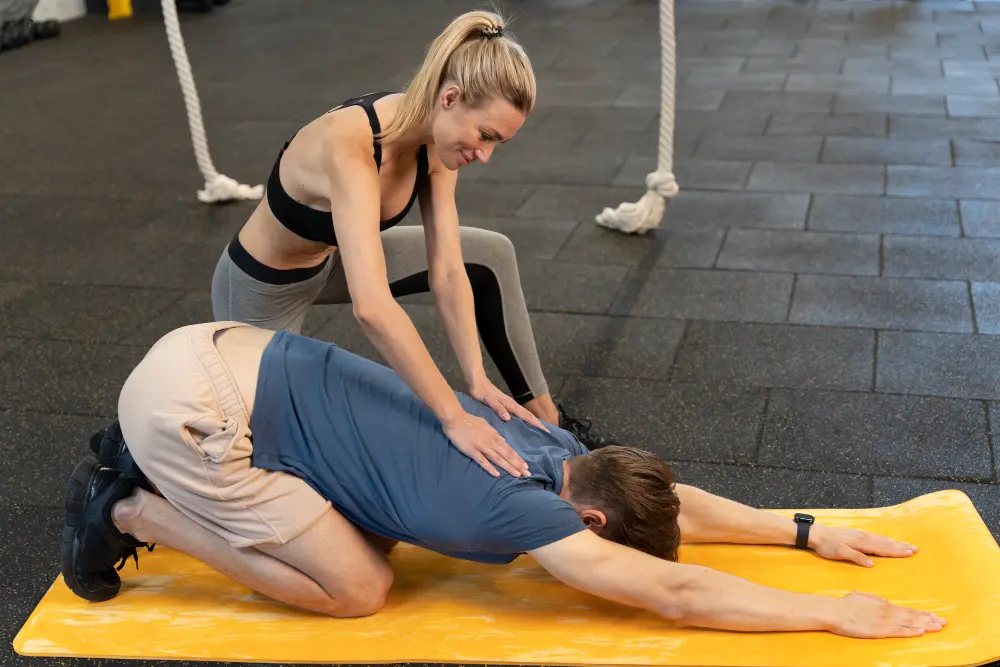
Most ART sessions last 10 to 15 minutes and focus on specific problem areas. The treatment can be uncomfortable, especially during the first few sessions when adhesions are most significant.
Patients often notice immediate improvement in range of motion and decreased pain after treatment. Some soreness in the treated area for 24 to 48 hours is normal as the tissues adapt to their restored mobility.
How Many Sessions Will I Need?
The number of sessions depends on the severity and chronicity of your condition. Acute injuries might respond in 2 to 4 sessions. Chronic conditions with extensive scar tissue buildup typically require 6 to 10 sessions.
We reassess your progress regularly and adjust the treatment plan accordingly. The goal is always to get you better as efficiently as possible, not to keep you coming indefinitely.
Combining ART with Other Treatments
ART works best as part of a comprehensive treatment approach. At Indian Trail Chiropractic, we integrate ART with other therapies based on your specific needs.
ART and Chiropractic Adjustments
Soft tissue restrictions often prevent joints from maintaining proper alignment. When we release those restrictions with ART, adjustments hold better and last longer.
Similarly, joints that aren’t moving properly create compensatory tension in surrounding muscles. Adjusting the joint allows the soft tissue work to be more effective.
ART and Corrective Exercise
Once we’ve restored tissue mobility with ART, corrective exercises retrain your body to move properly and prevent adhesions from reforming.
Exercise without addressing existing restrictions leads to frustration. You’re trying to strengthen muscles that can’t move through their full range. ART clears the roadblocks so exercise can actually work.
ART and Movement Analysis
Our Kinetisense 3D movement screening identifies exactly which movement patterns are dysfunctional. This guides our ART treatment to focus on the specific tissues causing those restrictions.
Objective data ensures we’re treating the right areas and helps us track your progress as movement quality improves.
Who Benefits Most from ART?
While anyone with soft tissue pain or restriction can benefit from ART, certain groups respond particularly well.
Athletes and Active Individuals
If you’re training regularly, your body accumulates micro-trauma that leads to adhesions. ART keeps your tissues healthy and prevents minor issues from becoming major injuries.
Many of the athletes I work with use ART as part of their regular maintenance routine, not just when they’re injured. It’s one of the reasons they can train harder and recover faster.
Office Workers with Chronic Pain
Sitting for hours creates predictable patterns of muscle tightness and fascial restriction. Hip flexors shorten, chest muscles tighten, and upper back muscles weaken. ART addresses these patterns effectively when combined with postural correction.
People Who Haven’t Responded to Other Treatments
If you’ve tried physical therapy, massage, or standard chiropractic care without lasting results, ART might be the missing piece. Deep adhesions often don’t respond to conventional treatments.
Why Full-Body ART Certification Matters
ART certification isn’t simple. It requires extensive training for each body region: upper extremity, lower extremity, spine, and complex protocols for specific conditions.
As one of the few practitioners in the Indian Trail and Charlotte area with full-body certification, I can treat soft tissue restrictions anywhere in your body. This matters because pain in one area often stems from restrictions somewhere else.
For example, shoulder pain might be caused by fascial restrictions in the neck or upper back. Knee pain might trace back to hip or ankle dysfunction. Full-body certification allows me to follow the kinetic chain and address the true source of your problem.
Get Started with ART in Indian Trail
If you’re dealing with chronic pain, limited mobility, or a sports injury that isn’t healing, Active Release Technique might be exactly what you need. At Indian Trail Chiropractic & Rehab, we combine ART with chiropractic care, corrective exercise, and biomechanical assessment to deliver lasting results.
Ready to experience what ART can do for you? Call us at (704) 821-3222 or schedule your appointment online today.