


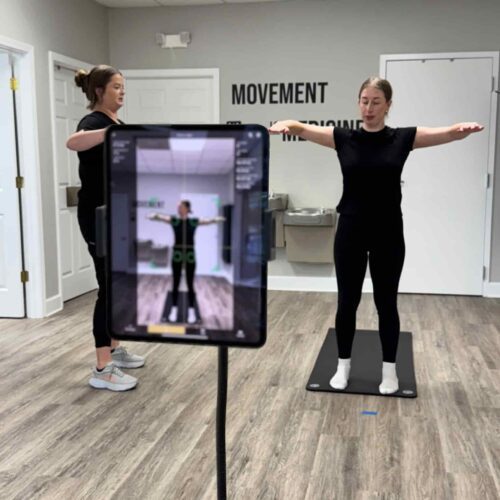
Functional performance testing evaluates your body’s strength, balance, coordination, and endurance through a series of targeted assessments tailored to your specific needs and goals. This data-driven approach helps uncover movement limitations and muscle imbalances, allowing for customized corrective programs that enhance overall mobility, stability, and athletic performance.
What is Functional Performance Testing?
Functional performance testing is a comprehensive evaluation designed to measure the efficiency, strength, and stability of your movement in real-world tasks. Using a range of evidence-based physical and athletic assessments, this process analyzes your ability to perform daily activities, athletic movements, or work duties without limitation, pain, or risk of injury. At Indian Trail Chiropractic & Rehab, functional performance testing helps patients and athletes in Indian Trail and the Charlotte area uncover hidden deficits, optimize movement strategies, and accelerate recovery or performance gains.
Identifying Performance Limiters
With expert-led movement testing, the assessment highlights areas holding you back from optimal performance:
Pinpoints muscle imbalances, asymmetries, and weaknesses limiting strength or stability.
Reveals compensatory patterns and poor mechanics increasing injury risk.
Detects restricted joint motion, postural faults, or balance deficits affecting movement efficiency.
Provides data-driven recommendations to improve function, speed recovery, and maximize results.
Unlock Your Performance Potential Today
Athletes, weekend warriors, and active individuals in Indian Trail, NC and the Charlotte area trust functional performance testing to take their movement, strength, and confidence to the next level. With a professional performance evaluation, you gain actionable insights and a clear path to better health and peak results.
Functional Performance Testing & Assessment FAQs
1. What is functional performance testing?
It evaluates strength, balance, coordination, and endurance through targeted movement tests to uncover functional limitations.
2. Who should get functional performance testing?
Athletes, individuals recovering from injury, or anyone wanting to optimize movement and prevent injury.
3. How is it different from regular fitness tests?
It focuses on functional movement patterns rather than just fitness metrics like strength or endurance.
4. Can functional testing help prevent injuries?
Yes, by identifying imbalances and faulty movement, it guides corrective programs to reduce injury risk.
5. What types of movements are assessed?
Movements include squatting, jumping, balance tests, and sport-specific drills.