

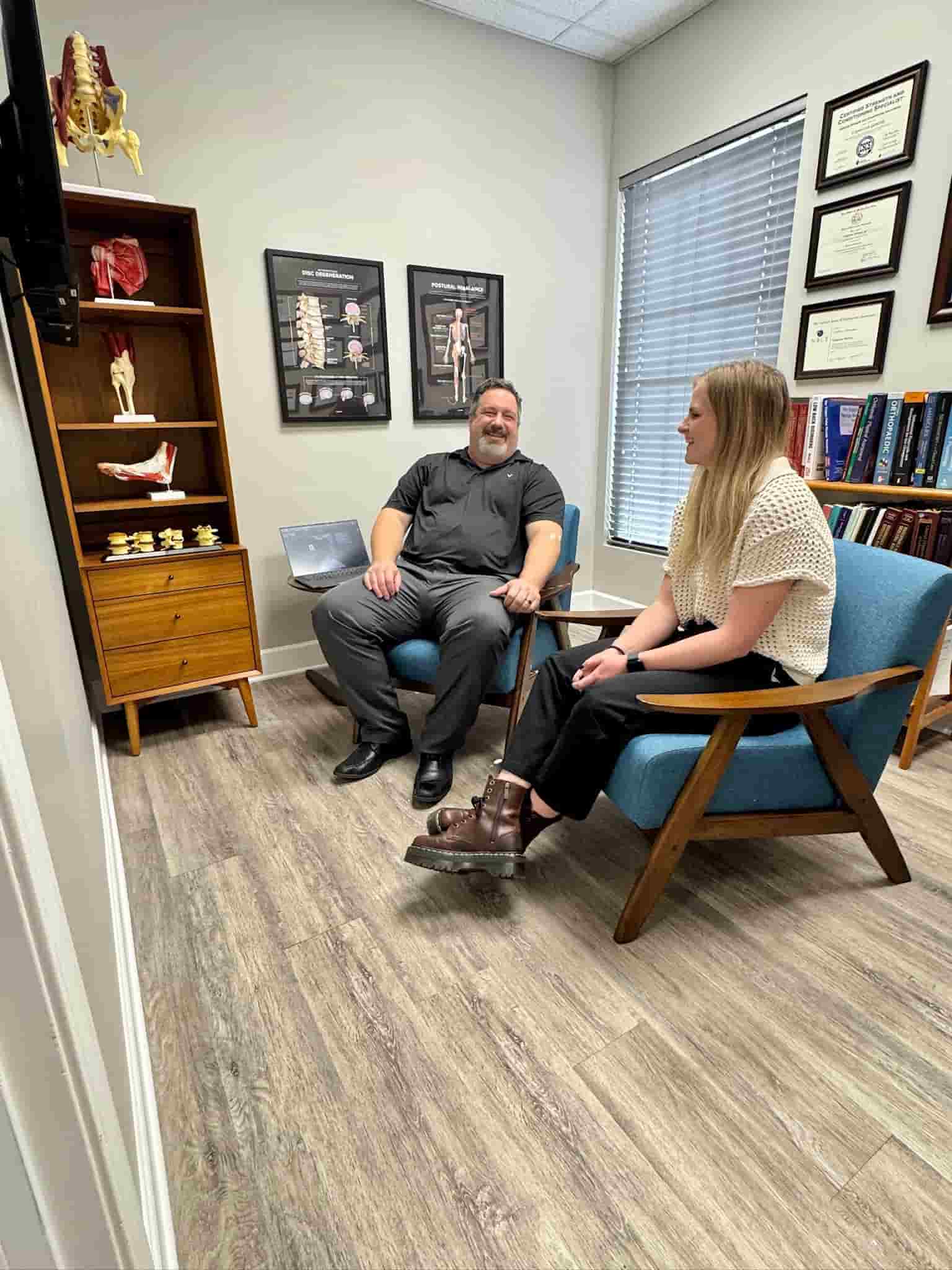
Chiropractic care is safe for most people when performed by a qualified, licensed practitioner. Research consistently shows chiropractic treatment has a strong safety profile, particularly for musculoskeletal conditions like back pain, neck pain, and headaches. At Indian Trail Chiropractic & Rehab, Dr. Gentile has delivered over 100,000 adjustments in 20+ years of practice and takes safety seriously through thorough evaluation before every treatment decision.
Why People Ask About Chiropractic Safety
If you’ve been considering chiropractic care but have concerns about safety, you’re not alone. This is one of the most common questions new patients ask before their first visit.
Some concerns come from dramatic stories shared online or from friends who had negative experiences. Others come from misconceptions about what chiropractic adjustments actually involve.
Getting accurate information about chiropractic safety allows you to make an informed decision about your care.
What the Research Actually Shows
Chiropractic care has been studied extensively. The evidence consistently shows it is a safe, effective treatment for musculoskeletal conditions.
Lower Risk Than Many Common Treatments
Research published in major medical journals shows that spinal manipulation carries a very low risk of serious adverse events. To put this in perspective, the risk of serious complications from chiropractic care is significantly lower than the risks associated with long-term NSAID use (like ibuprofen), steroid injections, or spinal surgery.
Many people take pain medication daily for back pain without considering its risks. Chiropractic care offers effective pain relief with a considerably safer profile.
Highly Effective for Common Conditions
Chiropractic care is supported by strong evidence for treating lower back pain, neck pain, and headaches. Multiple systematic reviews and clinical guidelines now recommend chiropractic care as a first-line treatment for these conditions.
Common Side Effects vs. Serious Risks
Understanding the difference between common minor side effects and rare serious risks helps put safety in proper context.
Common and Expected Side Effects
Mild soreness after an adjustment is common, especially after the first few visits. This is similar to the soreness you feel after starting a new exercise. Most patients describe it as muscle tenderness that resolves within 24 to 48 hours.
Temporary increase in symptoms occasionally occurs before improvement. This is normal and doesn’t mean treatment is harmful.
Rare Serious Risks
The most discussed serious risk associated with cervical (neck) manipulation is vertebral artery dissection. Research shows this risk is extremely rare and estimates vary widely in the literature.
What’s important to understand is that thorough evaluation before treatment identifies the very small subset of people who might be at elevated risk. I screen every patient carefully before performing any cervical manipulation.
How Proper Evaluation Minimizes Risk
The key to safe chiropractic care is thorough evaluation before treatment. Not every patient is a candidate for every technique.
Comprehensive Health History
Before your first adjustment, I take a detailed health history. This includes current medications, previous injuries, surgical history, and any conditions that might affect treatment decisions.
Certain conditions require modified techniques or referral to other specialists first.
Physical Examination
Orthopedic and neurological testing identifies contraindications to specific techniques. If examination findings suggest something beyond the scope of chiropractic care, I refer you to the appropriate specialist.
Imaging When Appropriate
When health history or examination suggests the need, I recommend X-rays or MRI before proceeding with treatment. This ensures we know exactly what we’re working with.
Modifying Techniques When Needed
Not every patient receives the same adjustment. Technique selection is based on your age, health status, condition, and comfort level. Older adults, people with osteoporosis, and those with certain health conditions receive gentler, modified approaches.
Who Should Not Receive Chiropractic Adjustments
While chiropractic care is appropriate for most people, certain conditions are contraindications to manipulation.
Active cancer in the spine or joints, severe osteoporosis with high fracture risk, spinal instability from trauma or congenital conditions, active infections in spinal tissues, and certain vascular conditions require either modified techniques or referral to other providers.
Being transparent about what chiropractic care is and isn’t appropriate for is part of providing ethical, honest care.
Is Chiropractic Safe for Children?
Yes, chiropractic care is safe for children when adapted appropriately. Pediatric adjustments use very light pressure, completely different from adult adjustments.
Children respond quickly to gentle chiropractic care. Common reasons parents bring children include birth trauma, ear infections, growing pains, sports injuries, and postural issues from heavy backpacks or device use.
Is Chiropractic Safe During Pregnancy?
Chiropractic care during pregnancy is safe when performed by a practitioner experienced in prenatal care. We use special positioning, pregnancy pillows, and modified techniques that never place pressure on the abdomen.
Many pregnant women in Indian Trail find chiropractic care provides significant relief from back pain, pelvic discomfort, and sciatica without medication.
Is Chiropractic Safe for Seniors?
Yes, with appropriate modifications. Older adults receive gentler techniques using lighter force. Instrument-assisted adjusting and drop table techniques provide effective care with minimal force.
Regular gentle chiropractic care helps seniors maintain mobility, reduce arthritis pain, and improve balance without the risks of medication side effects.
What Makes a Chiropractor Safe to See
Not all practitioners are equal. Certain factors indicate a chiropractor who prioritizes your safety.
Thorough Evaluation Before Treatment
A safe chiropractor evaluates you comprehensively before adjusting. Any practitioner who adjusts you without taking a health history or performing an examination is a concern.
Honest About Limitations
A good chiropractor knows when to refer out. If your condition requires medical care, a specialist, or imaging, you should hear that clearly.
Informed Consent
Before treatment, your practitioner should explain what they’re going to do, why, and what to expect. You should always feel empowered to ask questions and decline any procedure you’re not comfortable with.
Credentials and Training
Licensed chiropractors complete a minimum of 4 years of chiropractic school after undergraduate education. Many pursue additional certifications and training. Dr. Gentile holds certifications in extremity chiropractic (CCEP), Active Release Technique, Graston Technique, and is a Certified Strength and Conditioning Specialist.
My 20+ Years of Practice Experience
After delivering over 100,000 adjustments, I’ve developed a deep understanding of when and how to apply different techniques safely. Experience matters in chiropractic care.
I’ve treated patients from infants to patients in their 90s, athletes to post-surgical patients, and everything in between. This breadth of experience guides every treatment decision I make.
Safety isn’t an afterthought. It’s built into every evaluation, every technique selection, and every treatment plan.
What to Tell Your Chiropractor for the Safest Care
You play an important role in ensuring safe care. Be honest about your complete health history, all medications you’re taking, any recent injuries or surgeries, symptoms that seem unusual, and any discomfort during treatment.
The more information I have, the better I can tailor treatment to your specific needs.
Chiropractic vs. Medication and Surgery
When evaluating safety, it helps to compare chiropractic care to the alternatives patients often consider.
Long-term NSAID use carries risks of gastrointestinal bleeding, kidney problems, and cardiovascular events. Opioids carry significant addiction and overdose risks. Spinal injections carry infection risks and limited long-term effectiveness. Surgery carries anesthesia risks, infection risks, and often requires lengthy recovery.
Chiropractic care offers effective pain relief and functional improvement with a considerably lower risk profile than most medical alternatives for musculoskeletal conditions.
What to Expect If You’re Nervous
It’s completely normal to feel apprehensive about your first chiropractic visit. I understand this and take extra time with patients who have concerns.
I’ll explain exactly what I’m going to do before doing it. You’re always in control. If anything makes you uncomfortable, speak up immediately. Your comfort and confidence in the process are important.
Experience Safe, Effective Chiropractic Care
If concerns about safety have been keeping you from seeking chiropractic care, I hope this provides clarity. Chiropractic care has an excellent safety record and represents a smart first choice for most musculoskeletal conditions.
At Indian Trail Chiropractic & Rehab, we prioritize your safety through thorough evaluation, honest communication, and technique selection appropriate for your individual needs.
Ready to experience safe, effective chiropractic care? Call us at (704) 821-3222 or schedule your appointment online today.