

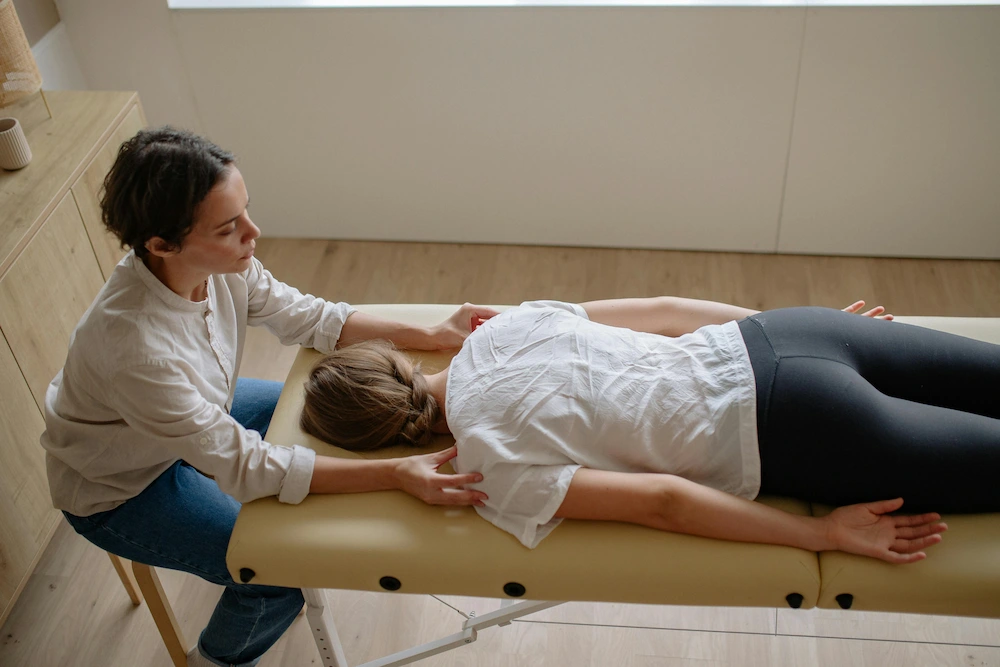
Chiropractic care for runners in Indian Trail addresses the biomechanical issues causing common running injuries like IT band syndrome, plantar fasciitis, and knee pain. At Indian Trail Chiropractic & Rehab, Dr. Gentile uses movement analysis, chiropractic adjustments, and corrective exercise to keep runners healthy, prevent injuries, and optimize running performance through improved mechanics and tissue quality.
Why Runners Need Chiropractic Care
Running is repetitive. Every mile you run, your foot strikes the ground roughly 1,500 times per leg. That’s 3,000 impacts per mile where forces equal 2 to 3 times your body weight travel through your body.
Small biomechanical issues that seem minor during daily activities become magnified over thousands of repetitions. A slight hip weakness or ankle restriction might not bother you walking around. Multiply it by 3,000 and suddenly you have a painful injury.
Chiropractic care keeps your joints moving optimally and addresses minor dysfunctions before they become major problems that sideline your training.
Common Running Injuries We Treat
Certain injuries appear repeatedly in runners because of the repetitive nature of the sport and common biomechanical issues.
IT Band Syndrome
The iliotibial band runs from your hip down the outside of your thigh to just below your knee. When it’s tight or inflamed, it creates sharp pain on the outer knee – especially during longer runs.
Most runners try foam rolling and stretching the IT band itself. The real problem is almost always weak glutes and poor hip control. We address the root cause with hip strengthening and Active Release Technique to release the fascial restrictions driving it.
Plantar Fasciitis
That stabbing heel pain when you first get out of bed is typically plantar fasciitis. The thick band of tissue on the bottom of your foot develops micro-tears from repetitive stress.
Shockwave therapy stimulates healing in the damaged plantar fascia at a cellular level. Combined with gait analysis and custom orthotics when indicated, we resolve stubborn cases that have kept runners sidelined for months.
Runner’s Knee (Patellofemoral Pain)
Pain in the front of the knee – especially when running downhill or on stairs – indicates patellar tracking issues. Your kneecap isn’t gliding smoothly in its groove, creating friction and inflammation.
Hip weakness is the most common driver. When your glutes can’t control hip rotation, your knee collapses inward during the stance phase of running. Extremity adjustments restore proper knee mechanics while corrective exercise addresses the hip weakness causing it.
Achilles Tendonitis
Pain and stiffness in the back of your heel that’s worst when you first start running indicates Achilles tendon problems. This overuse injury develops from training errors, tight calf muscles, or poor foot mechanics.
Shockwave therapy promotes healing in damaged tendon tissue directly. Eccentric strengthening exercises rebuild tissue quality and prevent recurrence.
Shin Splints
Pain along the inside of your shin bone happens when the muscles and connective tissues get overloaded from increasing mileage too quickly or running on hard surfaces.
Gait analysis identifies the mechanical issues driving shin splints. Addressing foot strike patterns and strengthening key muscles prevents these from progressing into stress fractures.
Lower Back Pain
Runners develop lower back pain from weak core muscles, tight hip flexors, or spinal misalignments that accumulate from repetitive impact.
Chiropractic adjustments maintain spinal mobility while core strengthening provides the stability needed to handle running’s demands mile after mile.
How Running Mechanics Affect Injury Risk
Your running form directly determines which injuries you’re prone to developing. Small mechanical issues compound over thousands of strides.
Foot Strike Pattern
Whether you land on your heel, midfoot, or forefoot affects forces throughout your body. There’s no universally correct foot strike – but your pattern should match your body’s mechanics and training history.
Our gait analysis identifies whether your foot strike is contributing to your current injury and what adjustments make sense for your specific presentation.
Hip Drop and Knee Collapse
When your glutes are weak, your hip drops and your knee collapses inward during the stance phase. This places enormous stress on the IT band, knee, and ankle with every single stride.
Video analysis combined with Kinetisense 3D movement screening reveals these patterns objectively – giving us data to guide correction rather than guesswork.
Cadence and Overstriding
Overstriding – landing with your foot too far in front of your body – increases impact forces and braking. Increasing cadence slightly reduces injury risk and often improves efficiency at the same time.
Asymmetries
Most runners have some asymmetry in strength, flexibility, or mechanics. Significant asymmetries drive injury risk up and need to be addressed through targeted corrective exercise before they become the next sidelining injury.
How We Assess Runners
Runner assessment at Indian Trail Chiropractic goes beyond asking where it hurts. We evaluate your entire kinetic chain and running mechanics.
Comprehensive Gait Analysis
We watch you run and analyze your form from multiple angles. This reveals the biomechanical issues contributing to your pain or limiting your performance – things that don’t show up on any imaging.
Strength and Mobility Testing
We assess hip strength, ankle mobility, core stability, and flexibility. Identifying weak links in the kinetic chain determines where treatment needs to focus.
Joint Function Assessment
I evaluate how well your ankles, knees, hips, pelvis, and spine move. Restrictions in any of these joints affect your running mechanics – often in ways you can’t feel until the repetitive stress creates an injury.
Our Approach to Treating Runners
Runner treatment at Indian Trail Chiropractic addresses the acute injury while correcting the biomechanical issues that caused it.
Keep You Running When Possible
Unlike practitioners who immediately tell you to stop running entirely, we work to modify your training so you can continue running when appropriate while healing.
Complete rest often isn’t necessary and leads to deconditioning. Smart modifications to volume, intensity, and surface allow healing while maintaining fitness.
Chiropractic Adjustments
Maintaining optimal joint function throughout the kinetic chain is crucial for runners. Regular adjustments keep your ankles, knees, hips, pelvis, and spine moving the way they should.
Soft Tissue Therapy
Runners accumulate tension and adhesions in muscles and fascia. Graston Technique and Active Release Technique address these restrictions before they create the next injury.
Corrective Exercise
Our Functional Movement Program includes runner-specific exercises targeting the weakness patterns that consistently show up in injured runners – weak glutes, poor hip stability, inadequate ankle mobility.
Running Form Coaching
When indicated, we provide specific guidance on running mechanics to reduce injury risk and improve efficiency. Small changes in form produce meaningful reductions in impact forces over thousands of strides.
Custom Orthotics
For runners with significant foot mechanics issues, custom orthotics improve alignment from the ground up and reduce stress throughout the kinetic chain.
Training Error Prevention
Many running injuries stem from training errors rather than biomechanical problems. We provide guidance on smart training progression to keep you healthy.
The 10% Rule
Increasing weekly mileage by no more than 10% per week reduces overuse injury risk. Patience with mileage progression pays off long-term.
Hard/Easy Days
Alternating hard training days with easy recovery runs allows tissues to adapt to training stress without breaking down.
Cross-Training
Incorporating non-impact activities like cycling or swimming maintains fitness while giving running-specific tissues the recovery they need.
Maintenance Care for Injury Prevention
Many runners use regular chiropractic care as injury prevention – not just injury treatment. Regular adjustments maintain optimal joint function and catch minor issues before they become problems.
Athletes who prioritize maintenance care consistently stay healthier and perform better than those who only seek treatment when something goes wrong.
Race Preparation and Recovery
Pre-race adjustments optimize your body’s function for race day. Post-race treatment accelerates recovery and addresses the acute stress your body experienced.
Many of the runners I work with schedule adjustments the week before major races and immediately after to support peak performance and faster recovery.
Why Runners Choose Indian Trail Chiropractic
My background in sports performance and biomechanics gives me unique insight into running injuries that goes beyond what most chiropractic offices can offer. I understand the mental and physical demands of training and the frustration of being sidelined.
As a Certified Strength and Conditioning Specialist, I bring evidence-based training knowledge to injury treatment and prevention. We don’t just fix your current problem. We make you a stronger, more resilient runner who’s less likely to end up back in this position.
With advanced gait analysis technology, clinical-grade soft tissue techniques, and performance-focused rehabilitation, we help runners throughout Union County stay healthy and hit their goals.
Get Back to Running Pain-Free
If a running injury is keeping you off the road or limiting your training, specialized treatment makes all the difference. At Indian Trail Chiropractic & Rehab, we help runners throughout the Charlotte area overcome injuries and run better than before.
Ready to run pain-free again? Call us at (704) 821-3222 or schedule your appointment online today.