
Bursitis is inflammation of the bursae, the small fluid-filled sacs that cushion your joints, and it most commonly affects the shoulder, hip, and knee. Effective treatment addresses both the inflammation and the underlying biomechanical issues causing it, using shockwave therapy, laser therapy, soft tissue work, and corrective exercise. At Indian Trail Chiropractic & Rehab, Dr. Gentile treats bursitis at its root so you get lasting relief, not just temporary symptom control.
What Is Bursitis?
Your joints contain small fluid-filled sacs called bursae that reduce friction between bones, tendons, and muscles. When a bursa becomes inflamed, it’s called bursitis.
This inflammation creates pain, swelling, and restricted movement in the affected joint. Bursitis can develop from repetitive motion, prolonged pressure, injury, or underlying biomechanical problems.
While bursitis can affect any joint with a bursa, it most commonly shows up in the shoulder, hip, and knee.
Common Types of Bursitis We Treat
Bursitis affects different joints, each with its own pattern and contributing factors.
Shoulder Bursitis
Subacromial bursitis is one of the most common causes of shoulder pain. The bursa in the shoulder becomes inflamed, often alongside rotator cuff problems or impingement.
Shoulder bursitis creates pain with overhead reaching, difficulty sleeping on the affected side, and pain that may radiate down the arm.
Hip Bursitis
Trochanteric bursitis affects the outside of the hip, creating hip pain that worsens with walking, climbing stairs, or lying on the affected side. It’s a common cause of lateral hip pain.
Knee Bursitis
Several bursae around the knee can become inflamed. Prepatellar bursitis affects the front of the kneecap, while pes anserine bursitis affects the inner knee. Both create pain and swelling that limit knee function.
Symptoms of Bursitis
Bursitis presents with characteristic symptoms regardless of which joint is affected.
Pain that worsens with movement or pressure. Swelling around the affected joint. Tenderness when you touch the area. Stiffness and restricted range of motion. Pain that often worsens at night.
These symptoms can develop gradually from repetitive stress or come on more suddenly after injury or overuse.
What Causes Bursitis?
Understanding why bursitis develops is key to treating it effectively and preventing recurrence.
Repetitive Motion
Repeated movements that stress a joint can irritate the bursa over time. This is common in athletes and people whose work involves repetitive motions.
Biomechanical Problems
This is the factor most treatments miss. Poor movement mechanics, muscle imbalances, and joint dysfunction place abnormal stress on the bursa. Until these are addressed, bursitis tends to return.
Prolonged Pressure
Sustained pressure on a joint, like kneeling for long periods, can inflame the bursa.
Injury
Direct trauma to a joint can trigger bursitis.
Why Bursitis Keeps Coming Back
Many people treat bursitis with rest and anti-inflammatories. The inflammation calms down, but the bursitis returns because the underlying cause was never addressed.
Here’s the key insight. Bursitis is often a symptom of a deeper biomechanical problem. If poor movement mechanics or muscle imbalances are stressing the bursa, calming the inflammation provides only temporary relief.
Lasting results require addressing both the inflammation and the root cause that triggered it.
How We Treat Bursitis
At Indian Trail Chiropractic, we use multiple complementary therapies to resolve bursitis completely. The right combination depends on your specific situation, which is why we start with a thorough evaluation.
Shockwave Therapy
Shockwave therapy is highly effective for bursitis. It reduces inflammation, stimulates healing, and improves blood flow to the affected area. Shockwave addresses chronic bursitis that hasn’t responded to other treatments.
Laser Therapy
Laser therapy reduces inflammation and accelerates healing at the cellular level. It provides drug-free pain relief while supporting tissue recovery in the inflamed bursa.
Soft Tissue Therapy
Tight muscles surrounding the affected joint contribute to bursitis. Active Release Technique releases this tension, reducing stress on the bursa.
Joint Adjustments
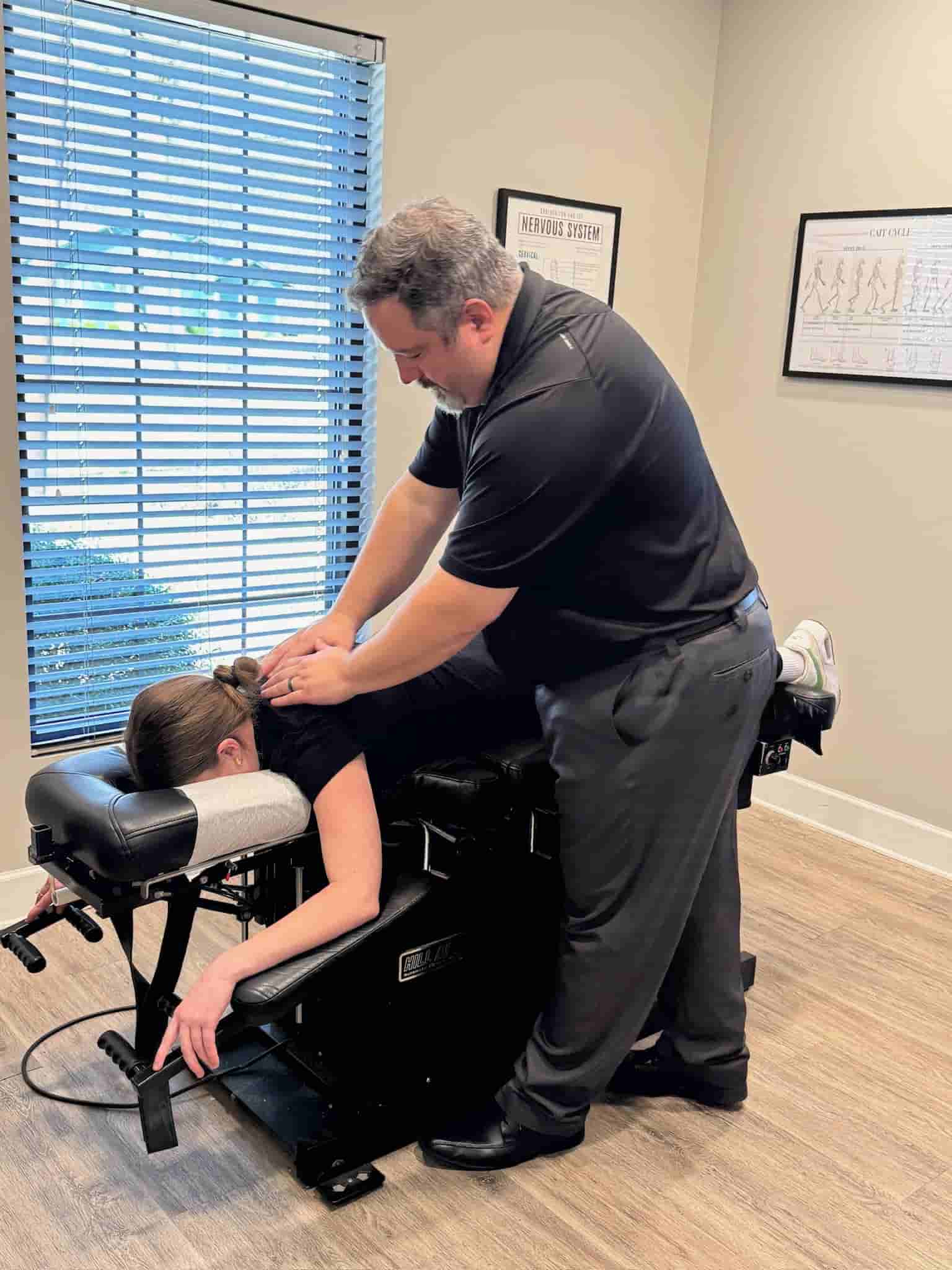
When joint dysfunction contributes to bursitis, extremity adjustments restore proper mechanics. As a Certified Chiropractic Extremity Practitioner, I treat the shoulder, hip, and knee joints directly.
Corrective Exercise
Addressing the muscle imbalances and movement problems causing bursitis is what prevents it from returning. Our corrective exercise programs fix the root cause.
Why a Multi-Therapy Approach Works Best
Bursitis responds best when we address it from multiple angles. We have several effective tools, and the important question is which combination is right for you.
Shockwave and laser therapy reduce inflammation and stimulate healing. Soft tissue work and adjustments address the mechanical factors. Corrective exercise prevents recurrence. Together, these resolve bursitis completely rather than just calming symptoms.
That’s what the evaluation determines, the right combination of therapies for your specific presentation.
Bursitis vs. Other Joint Conditions
Bursitis shares symptoms with other joint problems, which is why accurate diagnosis matters. Tendinitis, arthritis, and rotator cuff issues can all create similar pain.
Sometimes these conditions occur together. A thorough evaluation identifies exactly what’s causing your pain so treatment targets the actual problem. We assess the joint comprehensively to ensure we address everything contributing to your symptoms.
Preventing Bursitis from Returning
Once we’ve resolved your bursitis, preventing recurrence is the goal.
Correcting the biomechanical issues that caused it is the most important step. Maintaining strength and proper movement patterns protects the joint. Modifying activities that contributed to the problem reduces repetitive stress. Addressing posture and ergonomics when relevant prevents ongoing irritation.
We provide specific guidance based on what caused your bursitis in the first place.
When to Seek Treatment for Bursitis
Don’t wait for bursitis to become severe. Early treatment is more effective and prevents the condition from becoming chronic.
Seek treatment if you have joint pain that worsens with movement, swelling around a joint, pain that interferes with sleep or daily activities, or recurring joint pain that keeps coming back. These signs indicate bursitis that will benefit from proper treatment.
Why Choose Indian Trail Chiropractic for Bursitis
Resolving bursitis requires addressing both the inflammation and the underlying cause. My background in extremity care and biomechanics allows me to identify why your bursitis developed and treat it completely.
We combine advanced therapies like shockwave and laser with hands-on treatment and corrective exercise. This comprehensive approach delivers lasting relief rather than temporary symptom control.
With over 20 years of experience treating joint conditions, we help patients throughout Union County overcome bursitis for good.
Get Lasting Relief from Bursitis
If shoulder, hip, or knee pain from bursitis is limiting your life, effective treatment can resolve it at the source. At Indian Trail Chiropractic & Rehab, we treat bursitis comprehensively so you get lasting relief.
Ready to address your bursitis? Call us at (704) 821-3222 or schedule your appointment online today.